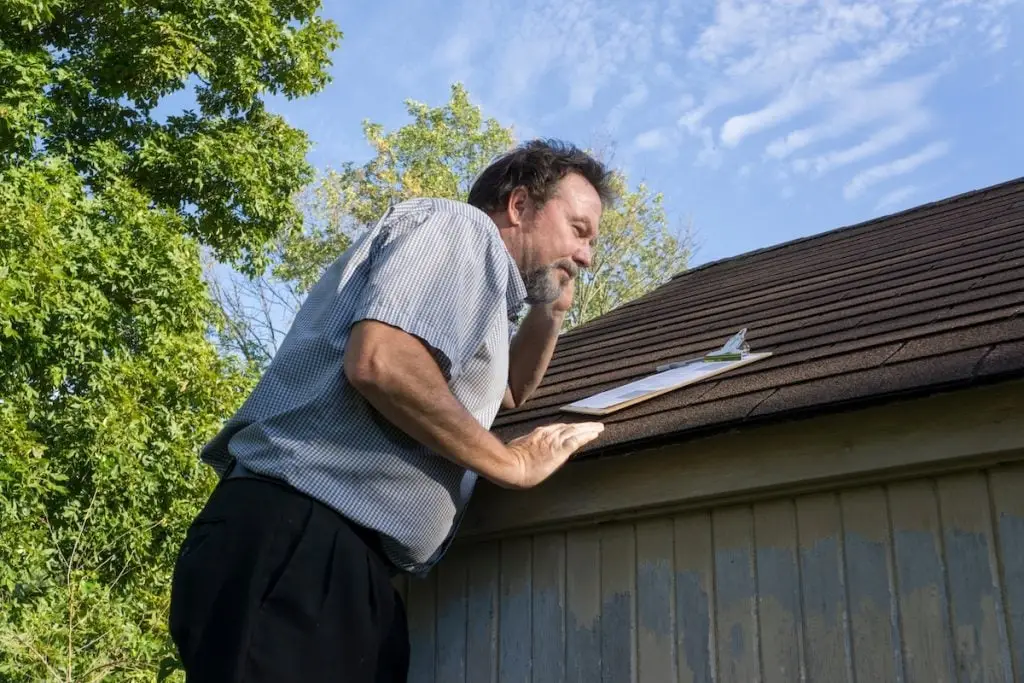
Regular roof inspections are vital for safeguarding business investments. A compromised roof can lead to significant financial losses and operational disruptions. Identifying early signs of damage, such as cracked shingles or sagging areas, is essential for timely repairs. This process begins with a thorough examination from the ground, followed by a closer look using a ladder. Understanding the specific inspection steps and tools can enhance this maintenance routine, ensuring long-term structural integrity. What comes next in this important evaluation?
Key Takeaways
- Regularly inspect your roof for visible leaks, cracks, or missing shingles to catch issues early and prevent costly repairs.
- Use binoculars from the ground for an initial assessment, then conduct a closer examination on the roof for detailed inspection.
- Look for water pooling and accumulated debris, as these can indicate drainage problems and lead to mold growth.
- Document your findings with photographs and notes to track deterioration and plan necessary repairs effectively.
- If you notice significant damage, such as leaks or mold, consult a professional to ensure repairs meet industry standards.
Understanding the Importance of Roof Maintenance for Your Business
Why is roof maintenance essential for businesses? Regular roof maintenance is critical for preserving the integrity of a commercial property. A well-maintained roof protects against environmental hazards, preventing costly repairs and safeguarding assets. Business owners must prioritize systematic inspections to identify potential issues early. Understanding how to check your roof for damage involves evaluating visible areas, such as flashing and seams, for wear. Additionally, inspecting gutters and drainage systems helps guarantee proper water flow, mitigating the risk of leaks. By investing time in maintenance, businesses can extend the lifespan of their roofs, enhance energy efficiency, and maintain a professional appearance. Ultimately, proactive roof care contributes greatly to a company’s financial health and long-term sustainability.
Key Signs of Roof Damage to Look For
Identifying roof damage is essential for maintaining the structural integrity of a commercial property. Key signs of roof damage include visible leaks, which may manifest as water stains on ceilings or walls, indicating compromised waterproofing. Cracked or missing shingles are another critical concern, exposing underlying materials to the elements. Additionally, sagging sections of the roof suggest structural failure, requiring immediate attention. Accumulated debris, such as leaves or branches, can trap moisture, leading to mold growth or further deterioration. Finally, rusted or corroded flashing can undermine the roof’s sealing, heightening the risk of leaks. Regularly monitoring these indicators can facilitate timely repairs and protect the investment, ensuring a safe and secure environment for business operations while fostering a sense of belonging within the community.
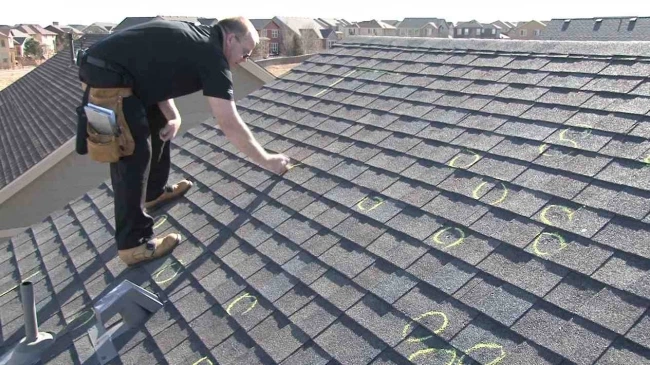
How to Check Your Roof for Damage: A Step-by-Step Guide
After recognizing the key signs of roof damage, taking proactive steps to evaluate the extent of the issues becomes imperative. A systematic approach guarantees thorough assessment and helps protect the business investment.
- Inspect the roof from the ground using binoculars to identify visible problems.
- Ascend to the roof for a closer examination, focusing on seams, flashing, and areas around vents.
- Check for water pooling, which may indicate drainage issues.
- Document findings with photographs and notes to track deterioration over time.
This methodical evaluation not only identifies existing damage but also assists in planning necessary repairs, ultimately safeguarding the structural integrity of the building. Understanding how to check your roof for damage is essential for any business owner.
Tools and Equipment Needed for Roof Inspections
A thorough roof inspection requires specific tools and equipment to guarantee an accurate assessment of potential damage. Essential items include a sturdy ladder for safe access, a flashlight to illuminate dark areas, and a digital moisture meter to detect hidden leaks. A tape measure helps assess the dimensions of any damage, while binoculars allow for a distant inspection of hard-to-reach areas. Additionally, a safety harness is crucial for ensuring personal safety during inspections. A notepad or digital device can be used to document findings systematically. By utilizing this array of tools, individuals can effectively learn how to check their roof for damage, fostering a sense of responsibility and commitment to protecting their business investment.
When to Call a Professional for Roof Repairs
Understanding when to call a professional for roof repairs is crucial for maintaining the integrity of a commercial property. Timely intervention can prevent further damage and safeguard the investment. Business owners should consider consulting a professional in the following scenarios:
- Visible water stains or leaks inside the building
- Missing or damaged shingles, tiles, or flashing
- Signs of mold or mildew on the roof surface
- Increased energy bills, indicating potential insulation issues
Recognizing these indicators can facilitate prompt action, ultimately preserving the commercial property’s value. Engaging a qualified roofing contractor guarantees that repairs are executed with expertise, adhering to industry standards. This proactive approach is significant for long-term asset protection and peace of mind.
Frequently Asked Questions
How Often Should I Inspect My Roof for Damage?
Regular inspections should occur at least twice a year, ideally in spring and fall. Additionally, post-storm evaluations are essential. This proactive approach helps identify potential issues early, ensuring the roof’s longevity and maintaining overall property integrity.
Can I Check My Roof From the Ground?
Yes, one can check their roof from the ground using binoculars or a zoom camera. This method allows observation of shingles, gutters, and overall condition, although it may not reveal all potential issues or hidden damage.
What Weather Conditions Are Best for Roof Inspections?
Clear, dry days with mild temperatures are ideal for roof inspections. Avoid conducting assessments during heavy rain, snow, or extreme heat, as these conditions can obscure damage and compromise safety for the inspector.
Are There Any Safety Precautions During Roof Inspections?
During roof inspections, individuals should employ safety harnesses, utilize sturdy ladders, and wear non-slip footwear. Additionally, maintaining a clear communication plan and ensuring proper weather conditions are essential for minimizing risks and enhancing overall safety.
How Does Roof Damage Affect My Insurance Claim?
Roof damage can greatly impact insurance claims, potentially leading to reduced payouts or denial. Insurers often require detailed documentation and assessments, emphasizing the importance of timely inspections and maintenance to substantiate claims effectively.
Conclusion
Regular roof inspections are essential for preserving a business investment. By understanding the importance of maintenance, recognizing signs of damage, and systematically conducting evaluations, property owners can proactively address issues before they escalate. Utilizing appropriate tools and knowing when to seek professional assistance further guarantees the longevity and integrity of the roof. Adopting these practices not only protects assets but also enhances overall operational efficiency, ultimately contributing to the long-term success of the business.
You may also like to read: