
Managing liability risks is a critical concern for commercial property owners. Snow plowing can play an essential role in this aspect by ensuring safe, accessible pathways for tenants and visitors. When snow accumulates, it creates hazardous conditions that can lead to accidents and costly lawsuits. Understanding how effective snow management strategies can protect your property and enhance its reputation is crucial. But what specific practices should you implement to achieve this?
Key Takeaways
- Regular snow plowing maintains clear pathways, significantly reducing the risk of slips and falls on commercial properties.
- Timely snow removal minimizes hazardous conditions, decreasing the likelihood of costly liability claims.
- A consistent plowing schedule demonstrates commitment to safety, fostering trust among tenants and visitors.
- Proper snow management aligns with local regulations, helping to shield property owners from potential lawsuits.
- Using effective materials like salt or sand enhances traction, further mitigating slip and fall accidents on the premises.
Why Liability Risks Matter for Commercial Properties
When you own or manage a commercial property, understanding liability risks is essential for protecting your investment and ensuring the safety of visitors. Liability risks can arise from various factors, including physical hazards on your property. Snow and ice accumulation can create dangerous conditions that lead to slips, falls, and injuries. These incidents not only jeopardize visitor safety but can also result in costly lawsuits that impact your bottom line. By prioritizing effective snow management, you minimize these risks considerably. Knowing
helps you maintain safe walkways and driveways, fostering a secure environment for both customers and employees. This proactive approach not only protects your property but also builds trust and loyalty within your community.
How Snow Plowing Reduces Liability Risks for Property Owners
Effective snow plowing plays an essential role in reducing liability risks for property owners. By maintaining clear and accessible pathways, you considerably lower the chances of accidents caused by slips and falls. When snow accumulates, it creates hazardous conditions that can lead to serious injuries, increasing your liability. Regular and professional snow removal demonstrates your commitment to safety, which is vital for fostering trust within your community. Additionally, prompt snow plowing can help you comply with local regulations, further shielding you from potential lawsuits. By prioritizing effective snow management, you not only protect your tenants and visitors but also safeguard your financial interests. Ultimately, how snow plowing reduces liability is a proactive investment in your property’s reputation and safety.
Best Practices for Effective Snow Plowing Strategies
To guarantee your snow plowing efforts are both efficient and impactful, it is crucial to implement best practices that prioritize safety and accessibility. Start by evaluating your property’s unique layout and identifying high-traffic areas. Use well-maintained equipment, ensuring blades are sharp and vehicles are in good condition to prevent accidents. Create a plowing schedule that aligns with weather forecasts, addressing snow accumulation before it becomes hazardous. Establish clear communication with your team about priorities and procedures. Finally, consider using salt or sand strategically to enhance traction and reduce ice buildup. By following these best practices, you not only keep your property accessible but also greatly reduce liability risks associated with snow-related accidents.
Why Timely Snow Removal Is Crucial
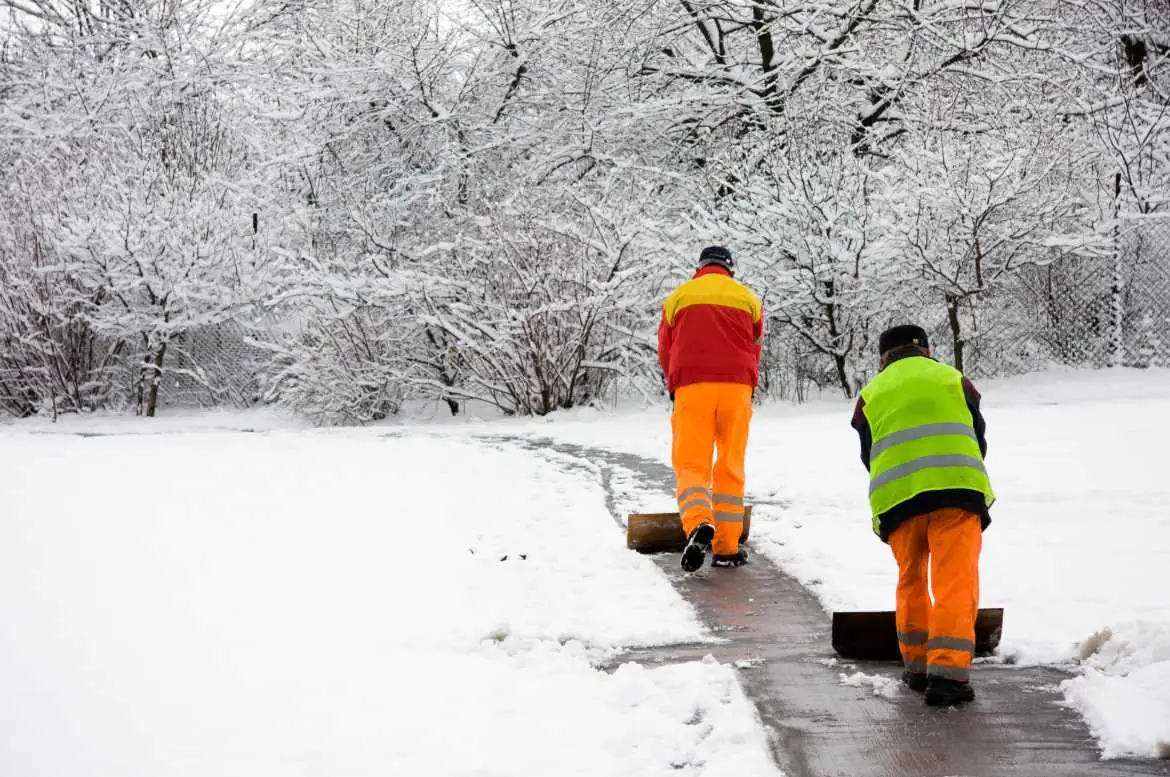
Timely snow removal plays a pivotal role in maintaining safety and accessibility on your property. When snow accumulates, it can create hazardous conditions that increase the risk of slips and falls, leading to potential liability claims. By addressing snow removal promptly, you’re not only protecting your visitors but also reinforcing your commitment to their well-being. A clean, safe environment fosters trust and encourages customer loyalty, enhancing your reputation in the community. Plus, keeping walkways and parking areas clear minimizes disruptions to business operations, ensuring smooth access for employees and customers alike. Ultimately, how snow plowing reduces liability is evident: proactive snow management safeguards your property and demonstrates your dedication to safety and excellence.
Choosing the Right Snow Plowing Service for Your Business
How can you guarantee your business stays safe and accessible during winter storms? Choosing the right snow plowing service is key. Look for a provider with a solid reputation, proven experience, and appropriate insurance coverage. Check their response times; quick action can prevent dangerous buildup and reduce liability risks. It’s crucial to verify that they use high-quality equipment and environmentally friendly practices, ensuring your property remains safe without harming the surroundings. Ask for references to gauge customer satisfaction and reliability. Communication is important—ensure they understand your specific needs and agree on a snow removal plan. By selecting a reputable service, you’ll not only maintain accessibility but also effectively demonstrate how snow plowing reduces liability for your commercial property.
Conclusion
To summarize, prioritizing snow plowing isn’t just about aesthetics; it’s an essential strategy for reducing liability risks associated with your commercial property. By ensuring safe, accessible pathways, you protect your tenants and visitors from accidents while safeguarding your financial interests. Implementing best practices and choosing the right snow removal service can enhance your property’s reputation and demonstrate your commitment to safety. Don’t underestimate the impact timely snow management can have on your business’s success and community standing.
You May Also Like To Read: